Buoyed by rapid technology cost reductions and the
consolidation of renewable energy policies, Latin America hosts some of the
world’s most dynamic renewable energy markets, according to a new report by the International Renewable Energy Agency (IRENA).
Renewable Energy Market Analysis: Latin America finds that the region – endowed
with some of the world’s best renewable resources – has an unprecedented opportunity to
accelerate the uptake of renewables across all sectors.
Showing posts with label chile. Show all posts
November 15, 2016
October 10, 2016
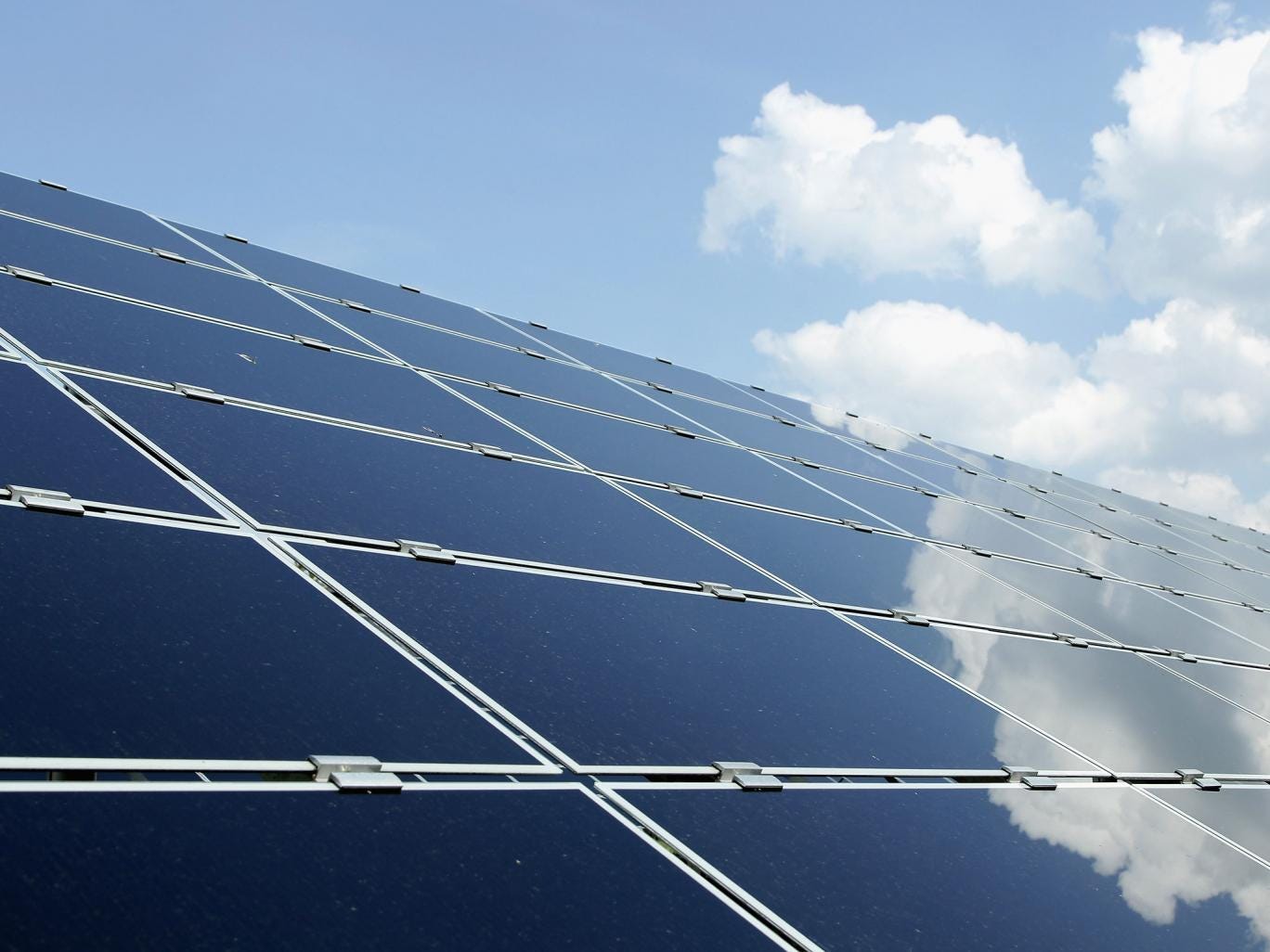
Chile is Producing so Much Solar Power it has to Give it Away
A slump in copper mining means there is more power than is
required in some parts of the country
Chile’s solar industry has expanded so quickly that it’s
giving electricity away for free.
Spot prices reached zero in parts of the country on 113 days
up until April this year, a number that’s on track to beat last year’s total of
192 days, according to Chile’s central grid operator.
While that may be good for consumers, it’s bad news for
companies that own power plants struggling to generate revenue and developers
seeking financing for new facilities.
July 25, 2016
Chile’s Roadmap to a Renewable Future
Recent changes in legislation
concerning energy generation in Chile could give the
renewables market a significant boost.
In the past few years the Chilean energy market has
experienced great changes and advances that benefit the industry and boost the
development of renewable energy projects. These changes have led to a large
development of renewable energy initiatives and to the consolidation of new
companies and players in the energy sector. In 2015 almost 300 renewable
initiatives were presented for environmental evaluation and renewables
accounted for 76% of the investment in electricity generation, which
demonstrates the importance of the industry.
July 24, 2016
Chile Passes Electricity Transmission Law Benefitting Solar
Chile has aggressively moved forward on an electricity transmission law which benefits solar, as
well as other sources of energy.
Following the Chilean Congress’s passage of a major
electricity transmission law, experts contend this will help the development of
both renewable and non-renewable energy projects in the country.
Under
the adopted policy, a new national interconnected power system will be
established alongside a new independent operator.
March 31, 2015
Chile Gets Cleaner at a Profit with Renewable Energy Push
Policies favoring clean energy and increased competition
would normally dim prospects for existing producers. Not in Chile, where
foreign investors are driving a renewable boom at a time of surging returns by
local utilities.
In the year since President Michelle Bachelet took office,
Chilean companies including Enersis SA and AES Gener SA are among the best
performers in Americas energy stocks tracked by Bloomberg. In the previous 12
months, they were the worst after years of opposition to coal and hydroelectric
projects and a prolonged drought crimped earnings and sent prices soaring.
July 21, 2014
POWER Digest July 2014
Chile Banks on Renewable Capacity Expansion, Energy Efficiency.
Chile in mid-May released a $650 million investment plan to reduce energy costs and promote non-hydro renewable energy development for the country that imports about 60% of its primary energy resources. The plan calls for a 30% cut in marginal power costs on Chile’s central grid, which serves 90% of the country’s citizens, by 2018. It also requires that 45% of power capacity installed between 2014 and 2025 be from solar, wind, and geothermal sources to put Chile closer to its target of producing 20% of its energy from renewables. The government also called for energy savings of up to 20,000 GWh per year. Experts have warned that Chile must triple its 18 GW capacity within 15 years to continue growing its economy (see “Chile’s Power Challenge: Reliable Energy Supplies” in the September 2012 issue). Chile’s power mix is dominated by hydropower, but droughts have left a country that has no indigenous oil or natural gas reserves energy-strapped. Beyond calling on the state oil company to boost exploration, the country also hopes to build a liquefied natural gas import terminal in the mineral-rich north.
October 20, 2013
Chilean President Piñera Signs 20/25 Law
On October 14th, 2013, Chilean President Sebastian Piñera
signed into law a bill which mandates that utilities source 20% of their
electricity from “non-conventional” renewable energy (ERNC), including solar
photovoltaic (PV) and concentrating solar power (CSP), by 2025.
The law will create annual bidding processes for utilities to purchase
electricity from ERNC sources. The president additionally signed a law making
changes to the permitting process, which promises to reduce estimated
permitting time from 700 to 150 days.
September 8, 2013
Chilean Senate Approves Bill Calling For 20% Renewable Energy, With Changes
The upper house of Chile's parliament has approved a bill to
require that utilities source 20% of their power from “unconventional”
renewable energy, with changes that including a move of the target date to from
2020 to 2025, and the introduction of a price cap in the bidding system.
These changes were introduced in the lower house of
parliament in June 2013, after negotiations with Chilean Minister of Energy
Jorge Bunster. The bill is now ready to be submitted for enactment into law.
March 15, 2012
Chile considers bill to boost renewable energy
High costs of energy due to a severe drought that has severely impaired hydro power plants coupled with restrictions in the capacity of transmission systems has once again put renewable energy in the sight of authorities as a way to decrease reliance of hydro and coal-based electricity.
Also the campaign promise of President Piñera to reach a goal that 20 percent of the energy demand in Chile is supplied by renewable energy by 2020, provides the political backdrop required for new legislation.
Recently, the Chilean Senate approved a bill that would move to country toward more widespread adoption of non-conventional renewable energies.
Subscribe to:
Posts (Atom)