Showing posts with label nuclear power. Show all posts

July 9, 2012

Japan's Feed-in-Tariff energy system under way

Japan has taken its first step in spreading the use of renewable energy with Sunday's start of a feed-in tariff, a policy mechanism obliging utilities to purchase all the electricity generated by wind, solar and other renewable energy sources.

The government is aiming to reduce its dependence on nuclear plants, but the introduction of the feed-in tariff system based on the renewable energy special measures law will effectively increase utility bills paid by companies and households.

May 11, 2012

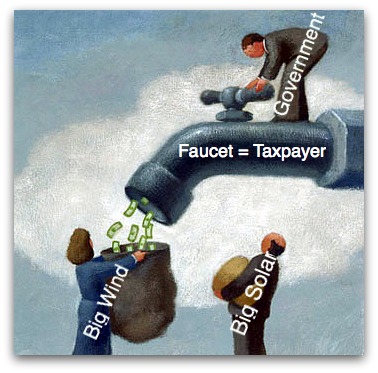
The end of clean energy subsidies?

The federal government has given generously to the clean energy industry over the last few years, funneling billions of dollars in grants, loans and tax breaks to renewable power sources like wind and solar, biofuels and electric vehicles. “Clean tech” has been good in return.

During the recession, it was one of the few sectors to add jobs. Costs of wind turbines and solar cells have fallen over the last five years, electricity from renewables has more than doubled, construction is under way on the country’s first new nuclear power plant in decades. And the United States remains an important player in the global clean energy market.

May 4, 2012

US House spending bill would cut DOE renewables, boost nuclear

The US House Appropriations Committee on Wednesday passed on to the full chamber a Department of Energy spending bill that would cut $345 million from the agency's fiscal 2013 budget, providing it with $26.1 billion, and would shift emphasis from renewable energy and energy efficiency to fossil fuels and nuclear power.

"While the decisions involved were difficult ... I am proud that this committee will be the tip of the spear in helping to restore sustainability to the agency budgets within this bill," said Representative Hal Rogers, the committee chairman and a Kentucky Republican.

December 1, 2011

Renewable energy potential in Armenia

Renewable energy development has been slow in the past, but its application throughout the world is accelerating. Policies to stimulate a faster deployment of clean energy technologies are necessary and will, in turn, create a level playing field by addressing market barriers, creating transparent pricing structures, and facilitating access to infrastructure financing. Because the renewable energy industry is not yet at the same level of development as the more traditional energy industries, it needs a more favorable regulatory environment in the near term for its development, survival, and transformation to a mainstream energy resource.

September 22, 2011

World: 10 reasons renewable energy may beat the projections

Five percent? That's the EIA's projected global increase in renewable energy generation by the year 2035. You'd think that nearly 30 years of technological, business and environmental inroads would make a bigger dent in the world's future energy mix.

Aren’t we supposed to be living the solar dream by then? Won’t we be driving to the beach in algae-powered vehicles? Won’t we all revel in our views of majestic wind turbines? The utopian vision of our energy future may not exist in our lifetimes, but it has to have a better outlook than the one released this week.

September 5, 2011

UK: Green energy policies could add £300 to household fuel bills

Downing Street advisers have warned that green energy policies could add £300 to annual household fuel bills, putting them on a collision course with the energy secretary, Chris Huhne.

Ben Moxham, David Cameron's senior policy adviser on energy and environment and a former BP employee, said claims by the Department of Energy and Climate Change (DECC) that a 30% rise in fuel bills by 2020 would be offset by lower energy consumption through energy efficiency were "unconvincing".

September 3, 2011

Investors confused by new energy laws

The green energy law that will become effective in 10 months still has to clarify some important issues, such as the new rules for utilities that form monopolies and the prices paid for “clean” energy, in order to allow investors to make long-term plans, according to analysts.

“Though symbolically ground-breaking, there remain some unanswered questions regarding cost, surrounding infrastructure and regulation,” said a Japanese strategist in a report on the bill.

August 25, 2011

International: Australia carbon farming; Japan feed-in tariff; German renewable energy railways

Australia Farmers to Benefit from Carbon Trading

Australia's Parliament is expected to pass the world's first nationwide system for the creation and trade of carbon credits by its farming and forestry industries.

The Carbon Farming Initiative will allow farmers and investors to generate tradeable carbon offsets from agricultural projects.

August 11, 2011

Japan’s clean energy bill may falter on lawmaker’s ties to utilities

Prime Minister Naoto Kan’s plan to shift Japan toward renewable energy following the Fukushima nuclear accident faces resistance from politicians compromised by close ties to utility companies, an opposition lawmaker said.

Kan has pledged to reduce reliance on nuclear power after an earthquake and tsunami in March wrecked Tokyo Electric Power Co.’s Fukushima Dai-Ichi nuclear station, causing radiation leaks into the air, sea and soil.