Showing posts with label japan. Show all posts

June 3, 2018

Why Japan is Rethinking its Energy Diplomacy


The Japanese government has been warned that its pro-coal policies are creating a “bottleneck” in international climate talks — and that the country risks being left behind in the global green energy boom. Foreign Minister Taro Kono received the strongly worded assessment from his advisory panel on climate change on Feb. 19. The document provides food for thought for policymakers in Tokyo as Kono signals his determination to remedy what he recently described as a “lamentable” situation.

June 1, 2018

Clear Message Needed to Boost Renewable Energy in Japan


The draft of the government’s new Basic Energy Plan, compiled by the Ministry of Economy, Trade and Industry for Cabinet approval this summer, calls for long-term efforts to make renewable energies such as solar and wind power a “major source of power supply” as the nation pursues the transition to a post-carbon economy envisioned under the 2015 Paris agreement to combat climate change. But it falls short of setting new targets for boosting the share of renewable sources in the nation’s electricity generation — as the 2030 energy mix targets that accompanied the current energy plan set in 2014 are kept unchanged.

May 1, 2014

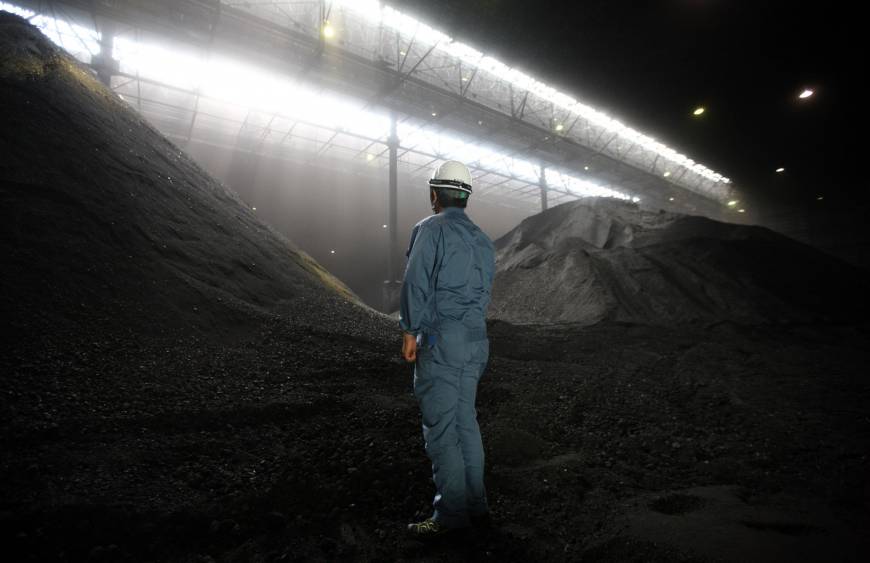
Post-Fukushima Japan Chooses Coal Over Renewable Energy

Prime Minister Shinzo Abe is pushing Japan’s coal industry to expand sales at home and abroad, undermining hopes among environmentalists that he’d use the Fukushima nuclear accident to switch the nation to renewables.

A new energy plan approved by Japan’s cabinet on April 11 designates coal an important long-term electricity source while falling short of setting specific targets for cleaner energy from wind, solar and geothermal. The policy also gives nuclear power the same prominence as coal in Japan’s energy strategy.

January 22, 2014

Japan Lifts the Gloom of 2013 Clean-Tech Investment Slump

Japan was one of the few countries to buck a trend that saw a 12% fall in global renewable energy and clean-tech investment in 2013, according to Bloomberg New Energy Finance.

New BNEF figures reveal that driven largely by a boom in solar installations, Japan saw investment surge 55% to US$35.4 billion last year, up from around US$22 billion in 2012.

But overall the trajectory for clean-tech investment was a downward one, a consequence BNEF said of the falling price of PV systems and dwindling investor confidence resulting from shifts in renewable energy policy in Europe and the US.

June 8, 2013

In Japan, New Policy Spurs Solar Power Boom

Across Japan, technology firms and private investors are racing to install devices that until recently they had little interest in: solar panels. Massive solar parks are popping up by the dozen, and companies are mounting panels atop warehouse and factory rooftops as part of a rapid buildup that one developer likened to an “explosion.”

May 24, 2013

Japan's Feed-In-Tariff System for Clean Energy Mired in Regulations

The nuclear disaster in Japan two years ago ignited a push to develop a new and clean energy industry, but those efforts are being stymied by a raft of regulations.


As part of its policy goal to diversify supply, the government introduced a feed-in-tariff system last July to kick-start the market for renewable energy.

July 10, 2012

Developers rush to be Japan's first new renewable players

On June 18, 2012, Yukio Edano, the Minister of Economy, Trade and Industry (METI) accepted the recommendation of an advisory committee on the new renewable energy industry and adopted a comprehensive system of feed-in tariffs in order to put Japan on the path to a more sustainable energy mix.

As the move had been widely expected following the adoption of the Renewable Energy Act (REA) (effective July 1, 2012), numerous Japanese companies have been positioning themselves to take advantage of the unusually generous rates.

July 9, 2012

Japan's Feed-in-Tariff energy system under way

Japan has taken its first step in spreading the use of renewable energy with Sunday's start of a feed-in tariff, a policy mechanism obliging utilities to purchase all the electricity generated by wind, solar and other renewable energy sources.

The government is aiming to reduce its dependence on nuclear plants, but the introduction of the feed-in tariff system based on the renewable energy special measures law will effectively increase utility bills paid by companies and households.

May 6, 2012

Japan panel head eyes incentive seen boosting solar power

The head of a Japanese panel suggested on Wednesday that utilities pay 52 cents per kilowatt-hour (kwh) for solar power supplies in a renewable energy incentive scheme, a rate that could encourage business investors to enter the budding market.

Japan will introduce in July a new feed-in tariff scheme, which was originally aimed to help cut fossil fuel consumption and has become a key policy as Japan tries to reduce its reliance on atomic power after last year's Fukushima disaster.

December 28, 2011

Launch of feed-in tariff raises expectations for Japan’s PV market

The start of the new scheme--the ‘Renewable Energy Bill’ (‘Bill on Special Measures for the Procurement of Renewable Energy Electricity by Electric Utilities’) which was passed into law in the Diet on August 26, 2011 and scheduled to be enforced in July 2012─is going to pave the way to large-scale photovoltaics. Most of the past construction projects of mega solar power stations were of electric utilities, but in response to the anticipated launch of the FiT scheme, multiple mega solar projects had been already reported before the bill was passed.


December 23, 2011

Japanese Energy Policy After Fukushima

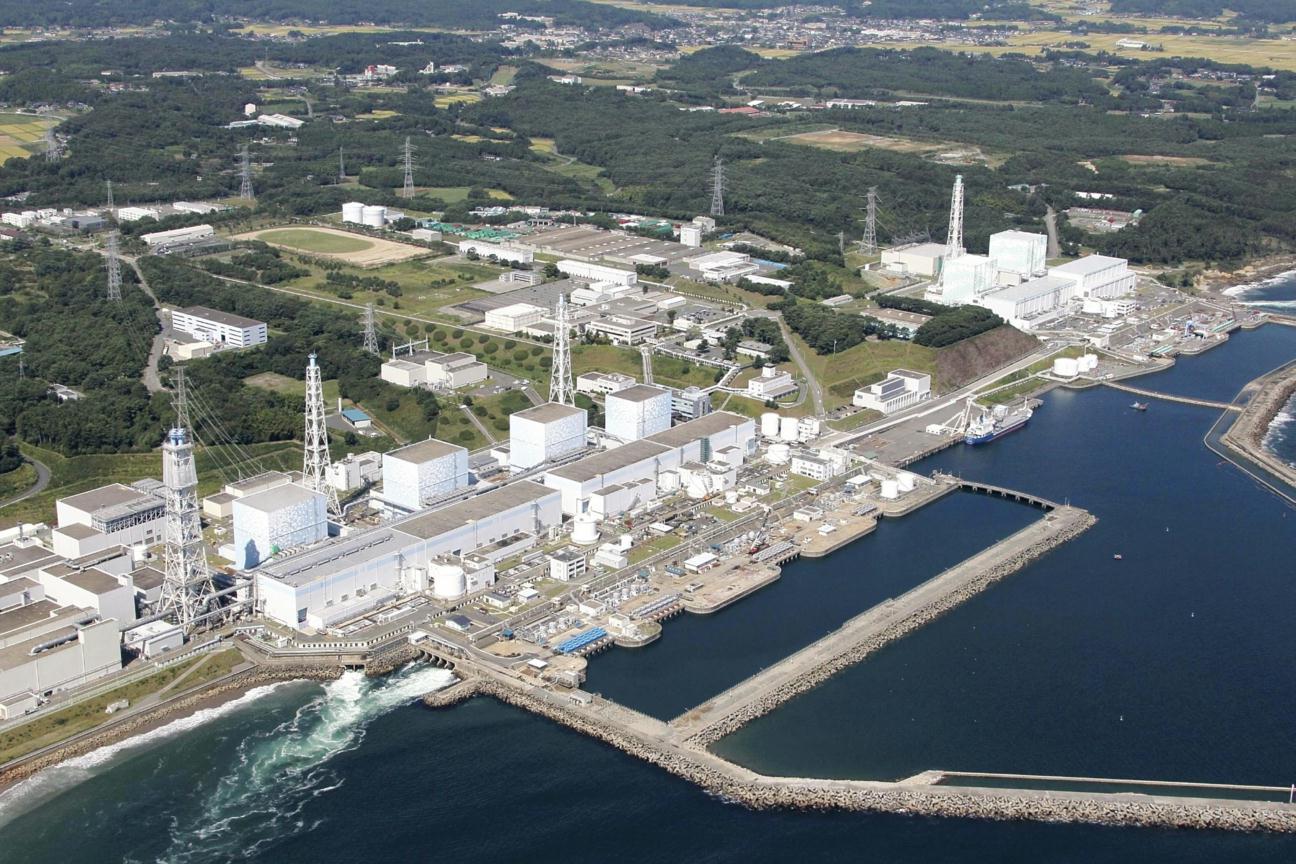
On December 16, 2011, the government announced that the crippled Fukushima No. 1 nuclear power plant finally achieved a state of "cold shutdown" following the world's worst nuclear accident since Chernobyl. It marked the latest in a series of energy-related developments since the "Great East Japan Earthquake" shook northeastern Japan on March 11, leaving in its wake thousands dead, vast property destruction, and a destabilized nuclear power plant owned and operated by Tokyo Electric Power Corp.

October 15, 2011

Feed in tariffs: Investing in a renewable energy future


Clean energy skeptics have seized on the failure of Solyndra to argue that scaling up renewable sources is a pipe dream.

They should visit Germany.

In the first quarter of 2011, Germany’s renewable energy output accounted for 19.2 percent of its total electricity consumption. Germany installed more solar PV in 2010 than the whole rest of the world and is well on its way to meeting the target of 35 percent of its electricity coming from renewables by 2020. And, in 2010, almost 370,000 people were employed in the renewable energy sector.

October 5, 2011

Philippines: The President’s renewable energy policy

Energy Secretary Rene Almendras returned a day ahead of President Noynoy Aquino last week from Japan. Despite his abbreviated stay, many are hoping that Secretary Almendras’ visit to the Land of the Rising Sun would have convinced him further that he is doing the right thing by pushing the President’s strong pro-renewable energy policy.

September 23, 2011

Japan to set new energy policy by early 2013

Japan's government plans to formulate a new energy policy by early 2013, and will unveil a range of options to meet energy demand to 2030 by March, Tokyo Shimbun daily said on Friday, possibly delaying investment on renewable energy and increasing the usage of fossil fuels in the near term.

Japan has said it would wean itself from nuclear power amid increased public concern over safety, after a massive earthquake and tsunami in March triggered the world's worst atomic crisis in 25 years at the Fukushima Daiichi station.

September 3, 2011

Investors confused by new energy laws

The green energy law that will become effective in 10 months still has to clarify some important issues, such as the new rules for utilities that form monopolies and the prices paid for “clean” energy, in order to allow investors to make long-term plans, according to analysts.

“Though symbolically ground-breaking, there remain some unanswered questions regarding cost, surrounding infrastructure and regulation,” said a Japanese strategist in a report on the bill.

September 2, 2011

Japan’s new renewable law to boost photovoltaic sales

It’s still early, and all the details aren’t yet worked out, but last week Japan passed a new renewable energy law, enacted in response to the Fukushima nuclear and tsunami disasters earlier this year.

The law, which goes into effect in July 2012, will establish a new feed-in tariff for solar in Japan and could provide a boost to the solar industry.

August 25, 2011

International: Australia carbon farming; Japan feed-in tariff; German renewable energy railways

Australia Farmers to Benefit from Carbon Trading

Australia's Parliament is expected to pass the world's first nationwide system for the creation and trade of carbon credits by its farming and forestry industries.

The Carbon Farming Initiative will allow farmers and investors to generate tradeable carbon offsets from agricultural projects.

August 11, 2011

Japan’s clean energy bill may falter on lawmaker’s ties to utilities

Prime Minister Naoto Kan’s plan to shift Japan toward renewable energy following the Fukushima nuclear accident faces resistance from politicians compromised by close ties to utility companies, an opposition lawmaker said.

Kan has pledged to reduce reliance on nuclear power after an earthquake and tsunami in March wrecked Tokyo Electric Power Co.’s Fukushima Dai-Ichi nuclear station, causing radiation leaks into the air, sea and soil.


July 21, 2011

WTO to rule on energy renewable complaint from Japan against Canada

The World Trade Organization said on Wednesday it will rule on a Japanese claim that a Canadian province's renewable energy programme flouts international trade law.

"A panel was established," a spokesperson from the world trade body said, referring to a team of arbitrators.

At the heart of the dispute is the government of Ontario's "feed in tariff" (FIT) programme, which guarantees electricity prices from renewable energy facilities.

March 30, 2011

Obama reiterates strong support for clean energy

WASHINGTON -- Speaking at Georgetown University, Obama reiterated today his commitment to renewable energy and reducing our dependence on oil. Citing China and Germany as examples of leadership in the wind and solar industries, Obama stated his plans to increase American investment and industry expansion in order to lead the clean energy economy of the 21st century.

"I want America to be that nation. I want America to win the future," the president said.